
How Long Should an AI Cat Drama Episode Be?
Pick the episode length by plot: 15 seconds for gags, 30 to 60 for one twist, 90 for big arcs. Where the hook goes, how to pace it, and when to split.
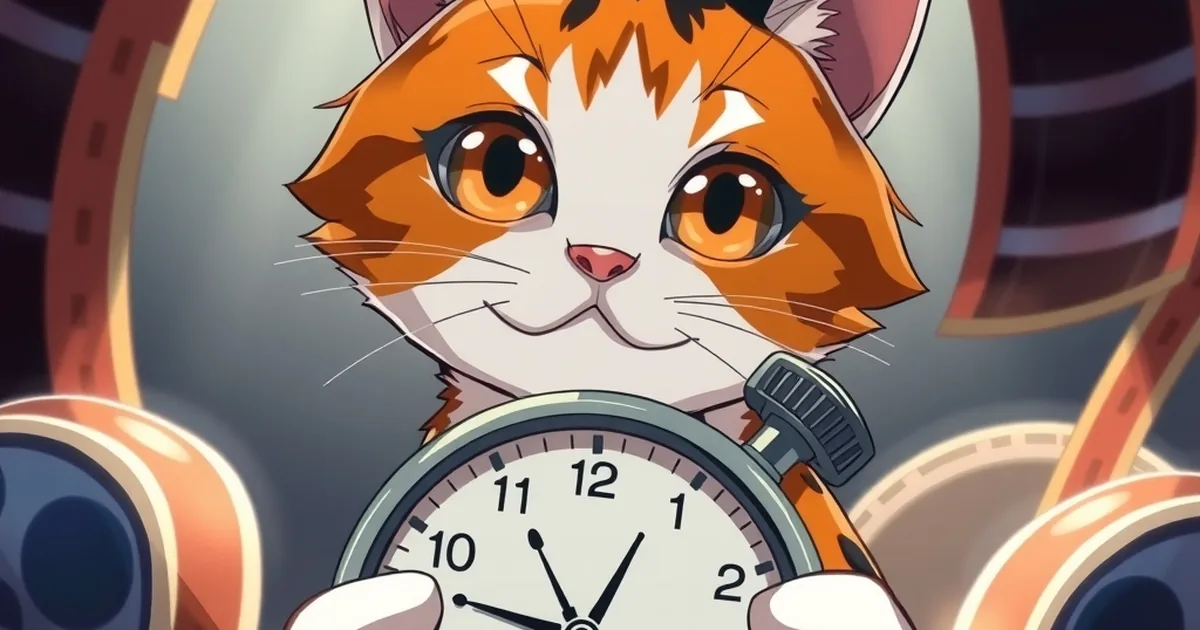
An AI cat drama episode should usually run 30 to 60 seconds, which is long enough for a setup, a turn and a cliffhanger and short enough that nothing drags; save 15 seconds for quick gags and 90 seconds for plots with several threads. In PawDrama you choose 15, 30, 60 or 90 seconds for each episode and continue the story with "Make Part 2"; a 60-second episode is 60 credits at 480p, and plans start at the price on our pricing page.
Length is not a setting you pick once. It follows from the plot, and the right answer for a revenge gag is wrong for a lost-princess saga. Here is how to choose, where the hook goes, and when to cut a story into parts.
Match the length to the plot
| Plot type | Length | Why |
|---|---|---|
| Gag or instant karma | 15 to 30 s | The situation explains itself; the payoff is the point |
| One reversal (the poor cat is secretly rich) | 30 to 60 s | Needs a moment of humiliation before the reveal lands |
| Emotional arc (a dog waiting for its owner) | 60 s | Feeling needs time: a few quiet shots before the payoff |
| Several threads (twins raised apart, a royal mystery) | 90 s per part, in a series | Each thread needs its own shots, and the story spans episodes |
If you are not sure, write the plot in one sentence. If the sentence has one "but", it is a 30-second episode. If it has two, it is 60. If you need "and then" more than twice, it is a series.
What fits in each length
Episodes here are built from 5-second shots, so the length is really a shot count:
- 15 seconds, 3 shots. Situation, action, payoff. No room for backstory or more than two characters.
- 30 seconds, 6 shots. One clear twist with a single shot of setup. The most forgiving length for a first episode.
- 60 seconds, 12 shots. A full mini-arc: hook, a few shots of setup, a turn that takes its time, and a two-shot ending.
- 90 seconds, 18 shots. Room for a subplot or a second location. Also the longest single episode you can make here; longer stories continue in Part 2, Part 3 and so on.
Each extra shot is one more chance for a weak moment, so only go longer when the story needs the room.
The first five seconds decide the rest
Whatever the length, the first shot has to contain conflict. Viewers on a vertical feed decide quickly whether to stay, and an establishing shot of a pretty house gives them nothing to stay for.
Strong first shots:
- A face in the middle of an emotion: a kitten crying at a closed door.
- A line that starts a fight: "Who is she?"
- An action with consequences: a suitcase thrown into the snow.
If the episode is Part 2 or later, put "Part 2" on screen or in the first line of the caption, so new viewers know there is a Part 1 to find.
Pacing a 60-second episode
Here is a timeline that works for most single-twist plots:
| Time | Shots | What happens |
|---|---|---|
| 0 to 5 s | 1 | Hook: the conflict, already underway |
| 5 to 20 s | 2 to 4 | Setup: who these characters are to each other |
| 20 to 50 s | 5 to 10 | Turn: the discovery, the confrontation, the reversal |
| 50 to 60 s | 11 and 12 | Cliffhanger: a new question |
Vary the framing from shot to shot (a wide shot, then a close-up, then a medium shot). It keeps a run of 5-second clips from feeling like a slideshow.
Platform length versus watch length
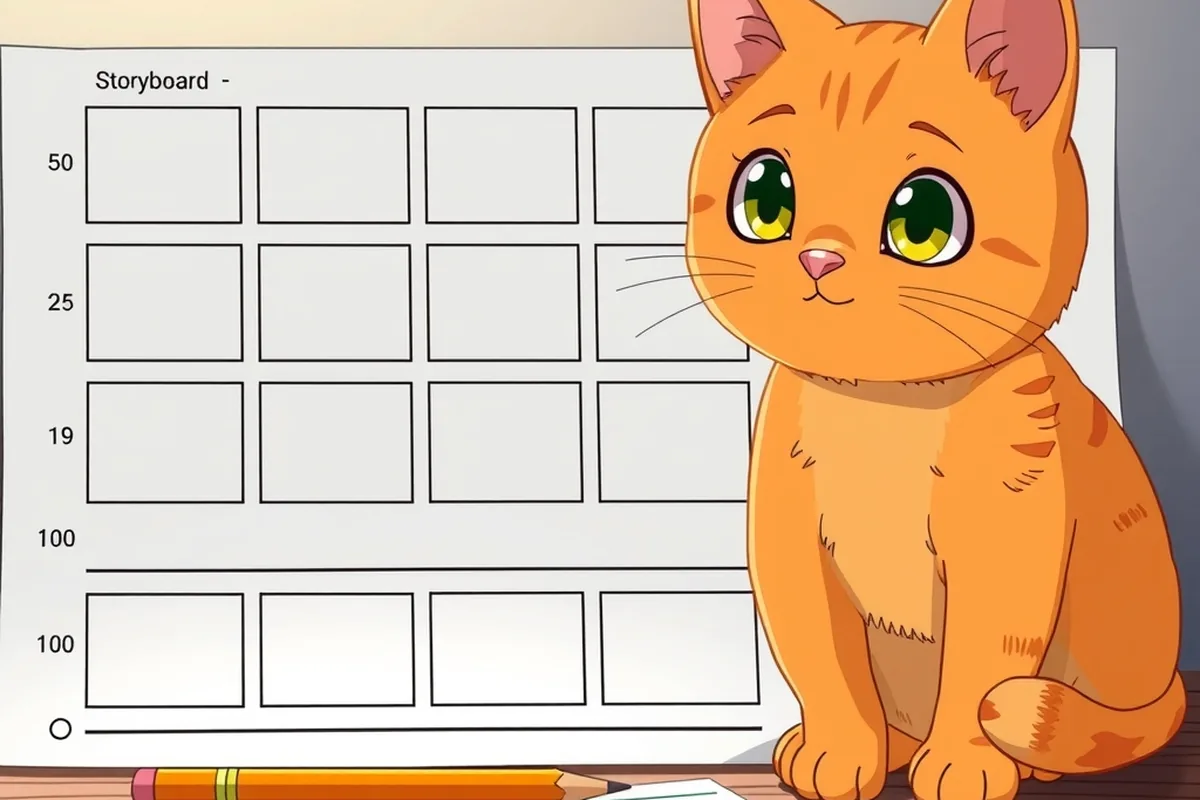
TikTok, YouTube Shorts and Instagram Reels all accept vertical videos longer than 90 seconds, so the upload screen is rarely the limit. The real limit is how long people keep watching. Each of the three apps shows how long viewers stay on your video; check where they drop off. If many leave during the setup, cut a setup shot next time. If they reach the end and the comments ask "what happens next", the length is right and the cliffhanger did its job.
Upload limits change from time to time, so check the current numbers in each app rather than trusting a number in a guide.
Why a series beats one long video
Splitting a long story into parts has real advantages:
- Every part gets its own hook. A three-minute video has one opening; three one-minute parts have three.
- Each part is cheaper to fix. A weak 60-second episode costs less to redo than a weak three-minute one.
- The cast stays put. "Make Part 2" in PawDrama keeps the same actors and style, carries over a summary of the previous episode and writes a new cliffhanger, so nothing drifts between parts.
Open each new part with a one-shot recap ("Last time, Mimi found the letter"), pay off the old cliffhanger within two shots, then add one new problem.
Planning a five-part story
Here is an original arc, "The Bakery on Fifth Street", planned as five 60-second parts:
| Part | What happens | Ends on |
|---|---|---|
| 1 | A calico baker cat's shop is losing customers to a flashy new bakery across the street | She spots her old apprentice working there |
| 2 | The apprentice, a grey kitten, admits he was hired to copy her recipes | The rival owner walks in |
| 3 | The rival, a black cat, offers to buy her shop | She finds the rival's name on her late husband's old contract |
| 4 | The kitten secretly helps her prepare for the town bake-off | The rival sabotages her oven the night before |
| 5 | Bake-off day, the truth comes out in front of the town | A letter arrives for the kitten (Season 2) |
At 480p the whole arc is 300 credits, plus 5 for script drafts. At 720p it is 600.
Posting a series
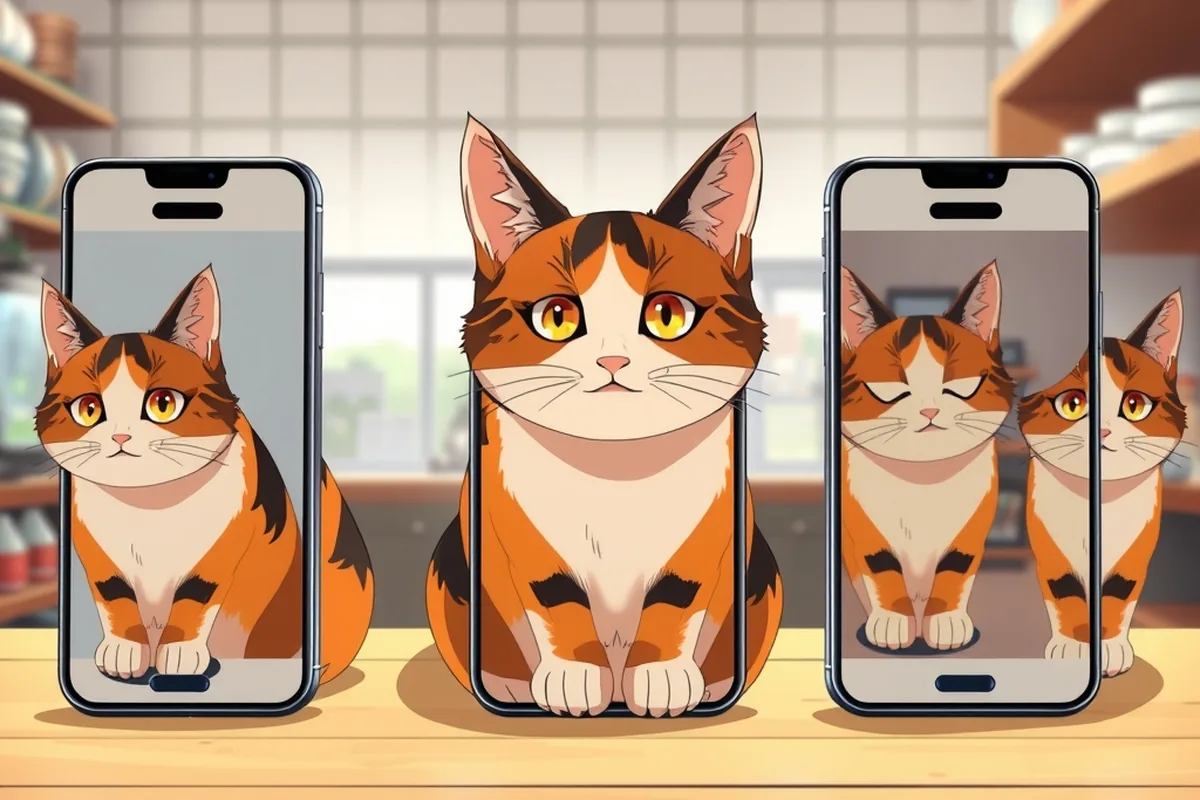
- Number every part, both in the caption and in the first seconds of the video.
- Put all parts in a playlist or a series so viewers can binge in order.
- Post the next part while the cliffhanger is still fresh, ideally within a few days.
- Keep the length steady across a series. Viewers notice when Part 3 is suddenly half as long.
Signs you picked the wrong length
- Viewers leave before the turn. Too much setup. Cut a shot or start later in the story.
- Comments ask what just happened. Too short. The turn came before anyone understood the characters.
- The ending feels rushed. Give the cliffhanger its own shot, or two.
- The middle sags. You have two episodes' worth of setup and one episode's worth of story. Split it.